Historic Preservation
PRESERVE • RESTORE • INSPIRE

Historic Preservation
PRESERVE • RESTORE • INSPIRE
The Historic Green Mountain Falls Foundation works to prioritize the preservation and restoration of key historical sites that contribute to the character of the region. Restoration projects include the Lakeview Terrace and the Shed, the Green Box Workshop and Farm Stand, and the Sallie Bush Community Center.
Additionally, we preserve and protect the forested areas and trail systems of Mount Dewey, Red Butte, and the H. B. Wallace Preserve, as well as Mountain Road Corner, a green space that connects Chipita Park and Green Mountain Falls. We are proud to meticulously maintain each property we own and the surrounding natural resources. Working cooperatively with the town of Green Mountain Falls, we support community projects such as the restoration of the historic gazebo that is included on the National Register of Historic Places, conservation of Gazebo Lake, and trailhead signage as new trails are built.
Historic Green Mountain Falls Preservation Study
In 2022, Anderson Hallas Architects was commissioned to develop a historical overview of Green Mountain Falls, including how its history is reflected in the built environment. This comprehensive property study looks at the town’s 559 surveyed parcels and tells the history of the buildings. Forty percent of the surveyed parcels in the region are considered historic properties. The study is intended to be a resource for members of the community.
Preservation specialists surveyed all 559 developed parcels of land within the town limits and built a database of properties. They also conducted historical research into the town’s development, identifying key eras, styles, and preservation priorities.
Property owners can use this study to learn about their property’s style, integrity, and preservation priority. Individual property reports are available from the Historic Green Mountain Falls Foundation. The survey constitutes the first step toward properties achieving historic registration and designation.
Follow the trail from the indigenous Tabeguache Ute people seeking game animals centuries ago to the Colorado Midland Railway connecting points across the state in the late 1800s.
Green Mountain Falls emerged amid the railway tourist boom and evolved through several key periods, each introducing distinct architectural styles, ranging from Late Victorian to Rustic to Mid-Century Rustic.
Learn about local history through a variety of lenses, from commerce to entertainment, from social life to city services. Property owners can use this report to connect their homes to broader themes.
“The town’s historic architectural character has been slowly eroding over time,” the report states. “Incentivizing the preservation of high-priority properties now will help arrest this trend.”
Preservation experts evaluated properties for historic integrity and preservation priority. Their survey found three primary styles of architecture in Green Mountain Falls:
Asymmetrical facades, multi-textured walls, and exuberant ornamentation
Cabins constructed with rustic materials including wood shingle siding and featuring stone retaining walls and stairs
Ranch-style buildings constructed with more finished materials, such as smooth half-log exterior siding, along with red flagstone
Raise awareness of historic properties, introduce historic preservation goals, establish a lecture series, and more
Ideas include a historic plaque program, walking tours (both in-person and via app), lectures, and more
Establish city processes for designating historic landmarks and add design guidelines to next land use code update, train planning commissioners in historic preservation, encourage property owners to follow preservation standards, encourage compatible infill development, and more
Historical records, local newspapers, and preservation literature support the research and findings.
Historic Green Mountain Falls Preservation Plan
Historic Green Mountain Falls
Preservation Study
In 2022, Anderson Hallas Architects was commissioned to develop a historical overview of Green Mountain Falls, including how its history is reflected in the built environment. This comprehensive property study looks at the town’s 559 surveyed parcels and tells the history of the buildings. Forty percent of the surveyed parcels in the region are considered historic properties. The study is intended to be a resource for members of the community.
Preservation specialists surveyed all 559 developed parcels of land within the town limits and built a database of properties. They also conducted historical research into the town’s development, identifying key eras, styles, and preservation priorities.
Property owners can use this plan to learn about their property’s style, integrity, and preservation priority. Individual property reports are available from the Historic Green Mountain Falls Foundation. The survey constitutes the first step toward properties achieving historic registration and designation.
Follow the trail from the indigenous Tabeguache Ute people seeking game animals centuries ago to the Colorado Midland Railway connecting points across the state in the late 1800s.
Green Mountain Falls emerged amid the railway tourist boom and evolved through several key periods, each introducing distinct architectural styles, ranging from Late Victorian to Rustic to Mid-Century Rustic.
Learn about local history through a variety of lenses, from commerce to entertainment, from social life to city services. Property owners can use this report to connect their homes to broader themes.
“The town’s historic architectural character has been slowly eroding over time,” the report states. “Incentivizing the preservation of high-priority properties now will help arrest this trend.”
Preservation experts evaluated properties for historic integrity and preservation priority. Their survey found three primary styles of architecture in Green Mountain Falls:
Asymmetrical facades, multi-textured walls, and exuberant ornamentation
Cabins constructed with rustic materials including wood shingle siding and featuring stone retaining walls and stairs
Ranch-style buildings constructed with more finished materials, such as smooth half-log exterior siding, along with red flagstone
Raise awareness of historic properties, introduce historic preservation goals, establish a lecture series, and more
Ideas include a historic plaque program, walking tours (both in-person and via app), lectures, and more
Establish city processes for designating historic landmarks and add design guidelines to next land use code update, train planning commissioners in historic preservation, encourage property owners to follow preservation standards, encourage compatible infill development, and more
Historical records, local newspapers, and preservation literature support the research and findings.
Would you like to find out more about your historic property?
To request information about your property, please fill out the form.
Would you like to find out more about your historic property?
To request information about your property, please fill out the form.
Architectural reports are for individual property owners only. To obtain a copy of the report for your property, verification of ownership and presentation of a valid ID will be required prior to receiving your report. We have made a good faith effort to provide you with the most accurate information available at the time the Preservation Plan for Green Mountain Falls, Colorado was prepared for the Historic Green Mountain Falls Foundation in December of 2022. The architectural report is not a legal document and should not be used in for any legal or official purpose. The Architectural report provided to homeowners was created by Anderson Hallas Architects and their respective Surveyors.
Architectural Styles and Resources
Architecture tells the story of a place. In Green Mountain Falls, that story is rich in charm, creativity, and mountain-town character. From Victorian homes and buildings to rustic cottages and cabins, our community reflects a unique blend of historical design.
Whether you’re restoring a historic home or planning a new project that fits the natural landscape, we hope you find inspiration here. Please view the Historic Green Mountain Falls Architectural & Preservation Handbook, a helpful resource for local homeowners and preservation enthusiasts.
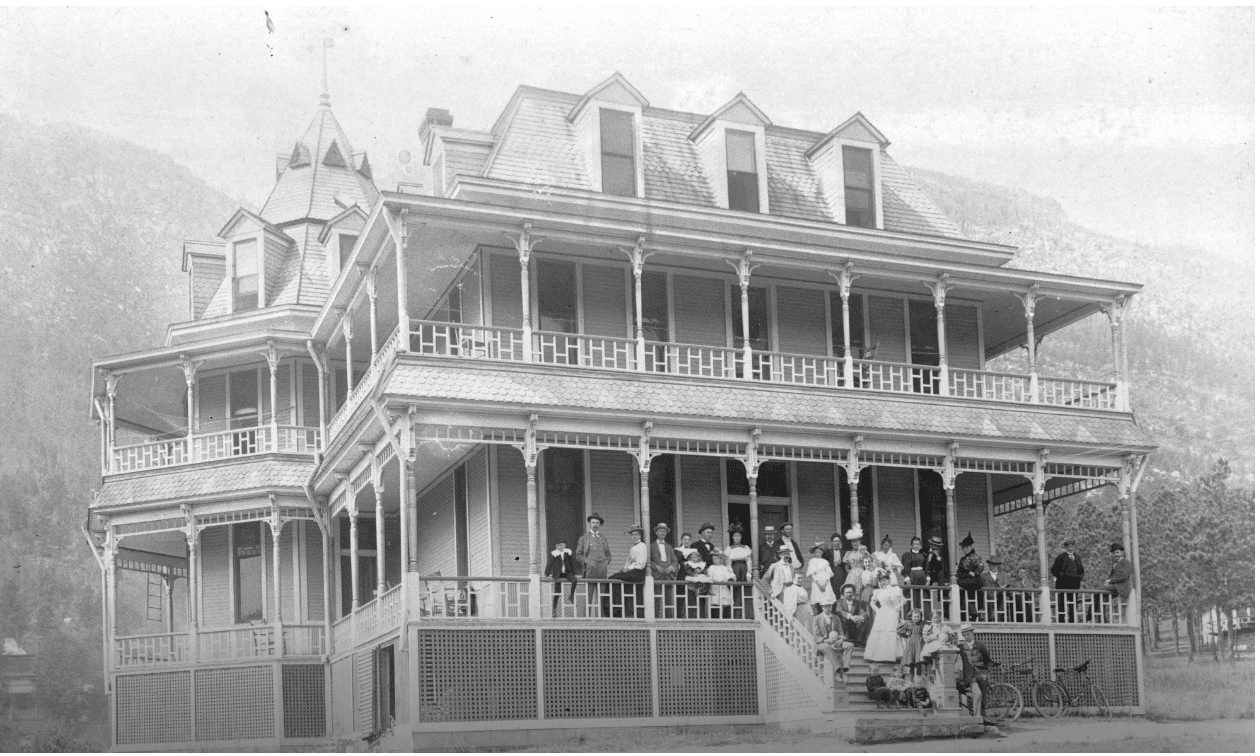
Late Victorian
Late Victorian architecture in the mountains blends the elegance of a bygone era with the warmth of nature.
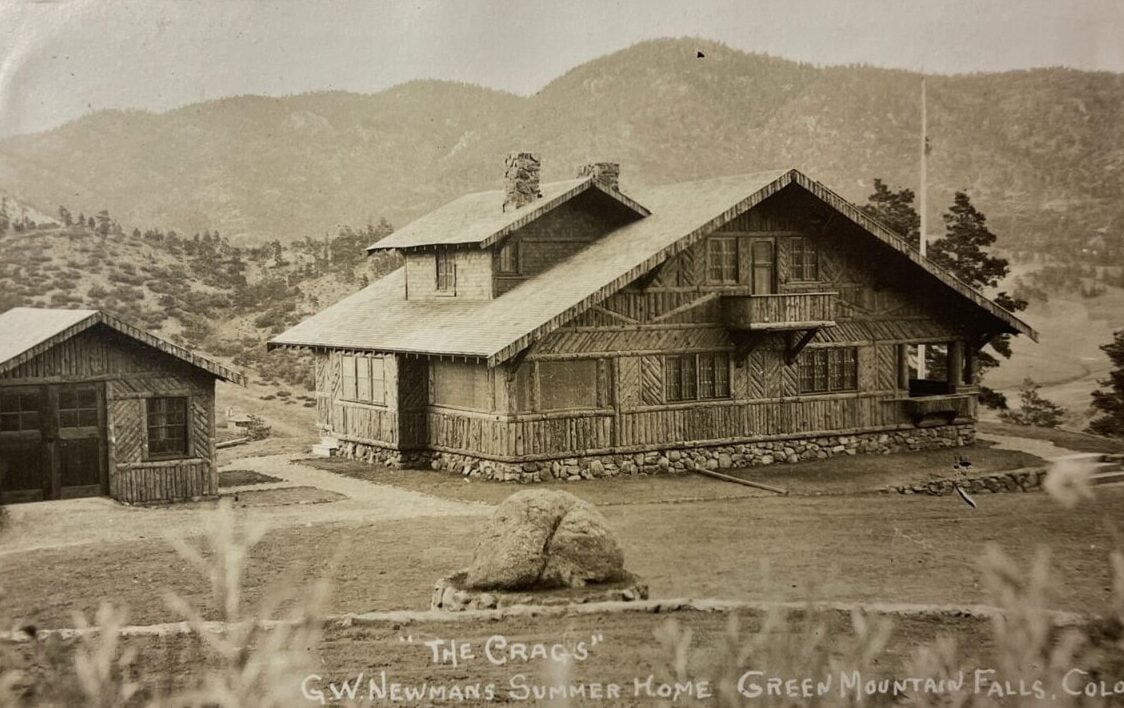
Rustic
Rustic architecture is rooted in nature, making it a perfect match for Green Mountain Falls. These homes embrace natural materials and reflect the spirit of the mountains: strong, weathered, and welcoming.
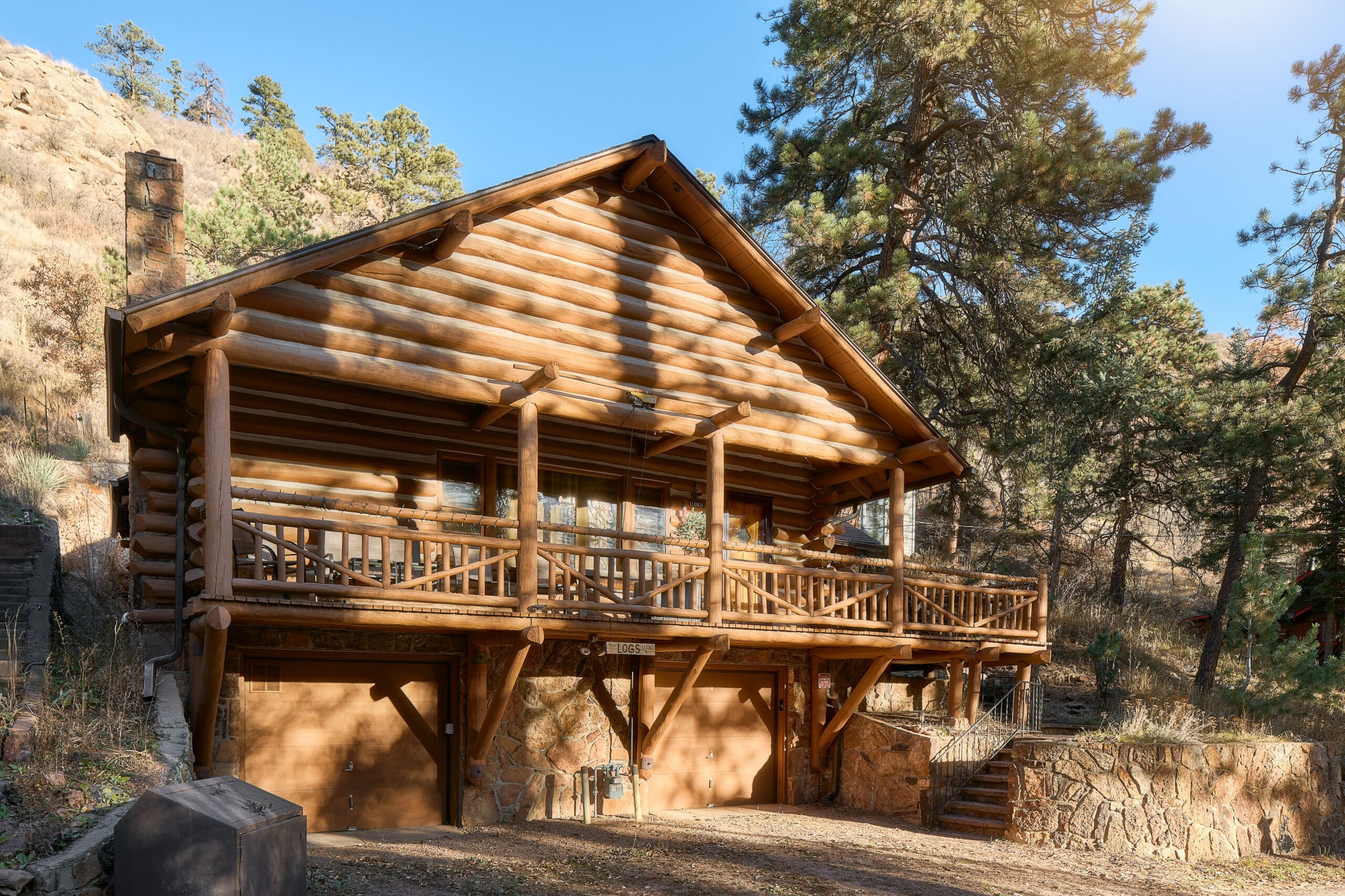
Mid-Century Rustic
Mid-century rustic brings a sleek, modern touch to traditional mountain style. Clean lines, open floor plans, and natural textures like wood and stone offer simplicity and a connection to nature
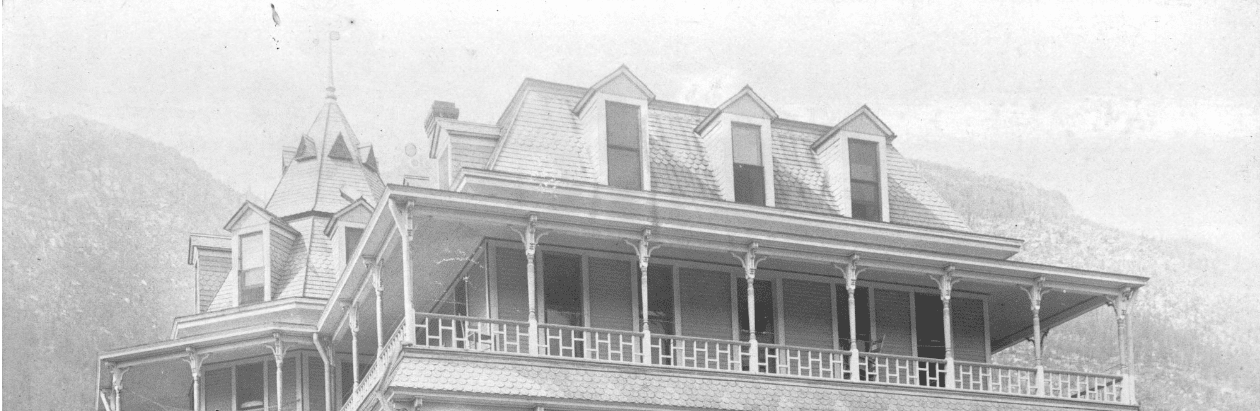
Late Victorian
Late Victorian architecture in the mountains blends the elegance of a bygone era with the warmth of nature.
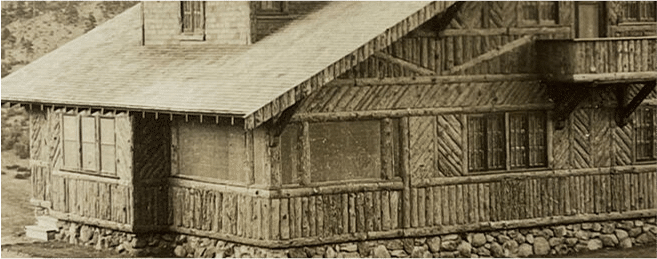
Rustic
Rustic architecture is rooted in nature, making it a perfect match for Green Mountain Falls. These homes embrace natural materials and reflect the spirit of the mountains: strong, weathered, and welcoming.
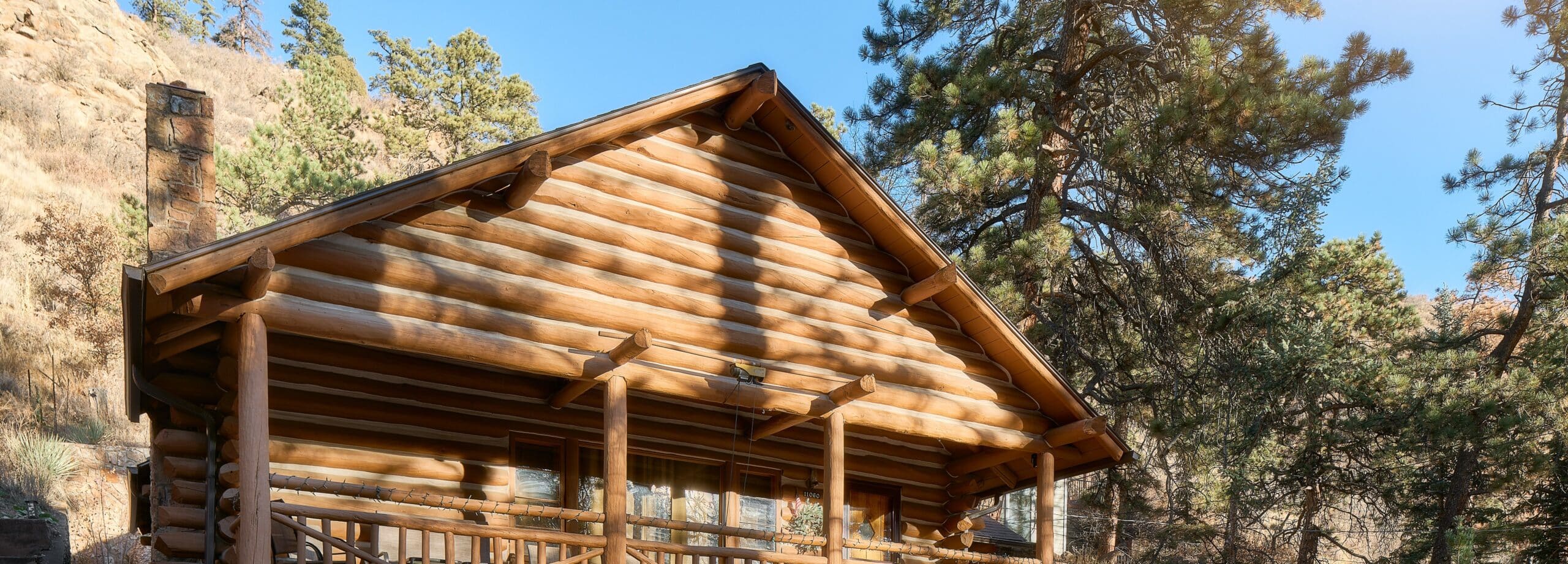
Mid-Century Rustic
Mid-century rustic brings a sleek, modern touch to traditional mountain style. Clean lines, open floor plans, and natural textures like wood and stone offer simplicity and a connection to nature
Request a Complimentary Copy of Green Mountain Falls Architectural & Preservation Handbook
The Historic Green Mountain Falls Foundation Architectural & Preservation handbook was printed in 2025. There are personal stories embodied in each historic structure, and we hope the handbook serves as a resource to educate and inspire the community to preserve their historic properties.
Request a Complimentary Copy of Green Mountain Falls Architectural & Preservation Handbook
The Historic Green Mountain Falls Foundation Architectural & Preservation handbook was printed in 2025. There are personal stories embodied in each historic structure, and we hope the lookbook serves as a resource to educate and inspire the community to preserve their historic properties.